Therapy Sam’s September Reflection

Falling Leaves, Quiet Bodies: What Autumn Teaches Us About Anxiety
I hope September is treating you gently as the seasons begin to shift.
As the air turns crisp and leaves begin to drop, nature offers a quiet, visual reminder: it is safe to let go.
In the therapy room, September often brings a subtle shift. As summer ends and routine settles back in, anxiety can start to hum a little louder in the background; it can settle into the body: a tightness in the chest, shallow breathing, a clenched jaw, or a churning stomach.
It helps to remember that anxiety is simply your body's natural response to a situation, a past memory, or a lingering worry. It’s your nervous system doing its best to keep you safe. But when that protective response stays switched on, our bodies brace against uncertainty, holding onto tension much like a tree holding tightly to its summer leaves.
Holding that physical tightness takes an enormous amount of energy.
Trees don't fight the change or tense up against the falling leaves. They allow the cycle to unfold, trusting that letting go is essential to make space for rest and renewal.
What if we allowed our bodies a little of that same trust? Releasing anxiety doesn't mean ignoring life's challenges; it starts with noticing where we are holding tension, offering our body some softness, and gently loosening our grip on what we can't control.
🌿 A gentle reflection for your week
Notice your body right now. Unclench your jaw, drop your shoulders, and ask yourself: "Where am I holding tension today, and can I let my body soften just a little?"
You don't need to fix everything at once. Sometimes a single deep breath is enough to signal safety to your nervous system.
🌿 A gentle reminder for your body
Anxiety is a natural physical signal, not a failure or a flaw.
Your body holds your story, but it doesn't have to hold every worry forever.
You are allowed to soften, release, and rest.
Take gentle care of yourself.
Sam
Therapy Sam
Therapy Sam’s August Reflection

I hope you’re keeping well and finding a few sweet moments to pause and enjoy the summer.
For this month’s reflection, I’ve been thinking about something that comes up so often, both in the therapy room and in our everyday lives: the quiet habit of carrying everything on our own.
Sometimes we get so used to just keeping going that we don't even notice how heavy our pack has become. We carry the quiet worries, the endless mental checklists, the care and concern for everyone around us, and those looping thoughts we replay late at night. Often, we keep it all to ourselves simply because we don't want to be a burden to anyone else.
We get so good at smiling and saying, "I’m fine, I’ve got this."
But being strong doesn't mean you have to hold up the world by yourself. Real strength often looks like recognising when your hands are full. It might mean opening up to someone you trust, letting a loved one take something off your plate, or simply giving yourself permission to admit, "You know what? This feels like a lot right now."
We simply aren't built to navigate life in complete isolation. True connection, steady support, and the relief of feeling genuinely understood are fundamental to our wellbeing.
🌿 A gentle reflection for your week
If you have a quiet moment today, pause, take a slow breath, and ask yourself, "What am I holding right now that I don't need to carry entirely by myself?"
You don't need to fix or solve anything right this second. Sometimes, just noticing the weight and offering yourself a little compassion is plenty for today.
🌿 A gentle reminder to carry with you
You don't have to be strong all the time.
You don't need to have every answer figured out today.
And you never have to carry it all alone.
Sometimes, simply letting someone walk alongside you for a little while is more than enough.
Take gentle care of yourself.
Sam
Therapy Sam
Therapy Sam's July Reflection
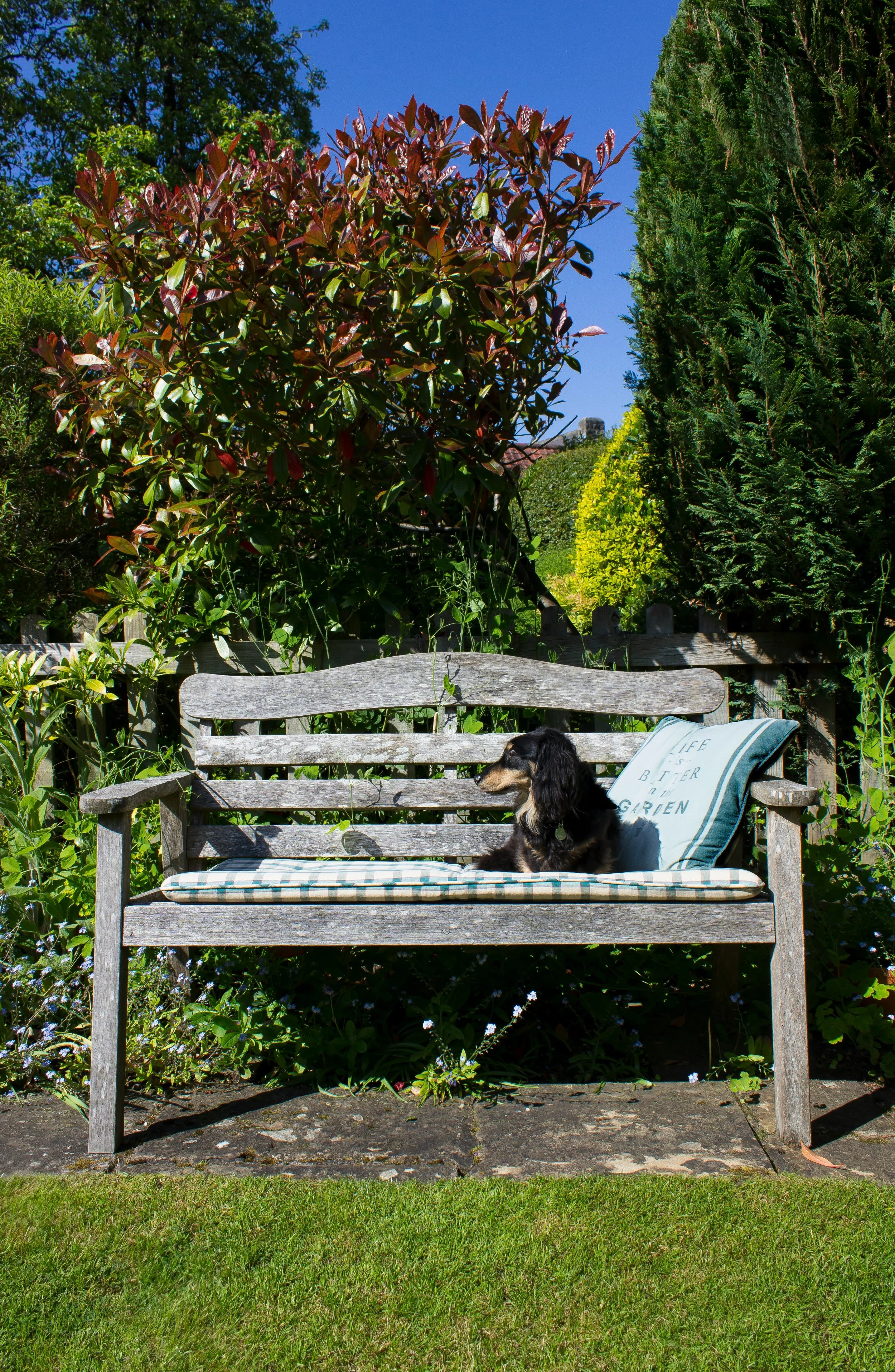
"Rest isn't something you earn. It's something your mind and body need."
At this time of year, we're often surrounded by messages telling us to relax, unwind, and enjoy the sunshine. Yet many people tell me that when they finally slow down, their minds seem to speed up.
The emails have been answered, the washing is done, everyone else has gone to bed... and that's when the overthinking begins.
Perhaps you replay conversations from earlier in the day. Maybe you start worrying about tomorrow, or your mind jumps to "what if...?" scenarios that feel impossible to switch off. If this sounds familiar, you're certainly not alone.
Our brains are designed to keep us safe, not necessarily to keep us happy. When life has felt stressful for a while, our nervous system can become so used to scanning for problems that it doesn't know how to switch off straight away.
It's a bit like leaving a car engine running after you've parked. The journey has finished, but the engine hasn't realised it yet.
Rest vs. Sleep: Knowing the Difference
People often think: "I'll rest when I can sleep."
But there is a vital difference:
Sleep is something that happens to us.
Rest is something we can practise.
That distinction can be incredibly freeing. You don't have to wait for sleep to give your body a break. You can actively practise rest throughout your day by:
Sitting in the garden.
Watching clouds drift by.
Listening to the birds.
Reading a few pages of a book.
Having a cup of tea without your phone.
Sitting beside water.
Colouring.
Gentle stretching.
Simply breathing more slowly for a few minutes.
Those small moments tell the nervous system: "Right now, I'm safe."
When we're worried, the brain often believes that thinking harder will solve the problem. But overthinking rarely gives us answers, it simply keeps the brain busy. Interestingly, the brain often finds clarity after periods of rest rather than more thinking.
A Gentle Invitation
This week, rather than asking yourself, "What else should I be doing?" try asking:
"What would help my nervous system feel just 5% safer right now?"
Maybe it's stepping outside.
Maybe it's sitting quietly with a cup of tea.
Maybe it's turning your phone off half an hour earlier.
Maybe it's watching the clouds drift by.
There isn't a right answer.
Until Next Month...
Remember, your worth isn't measured by how productive you are, how much you achieve, or how busy you keep yourself.
Rest isn't a reward for finishing everything. It's one of the ways we care for ourselves while life is still unfolding.
Wishing you a peaceful month,
Sam
Therapy Sam
Therapy Sam’s June Reflection
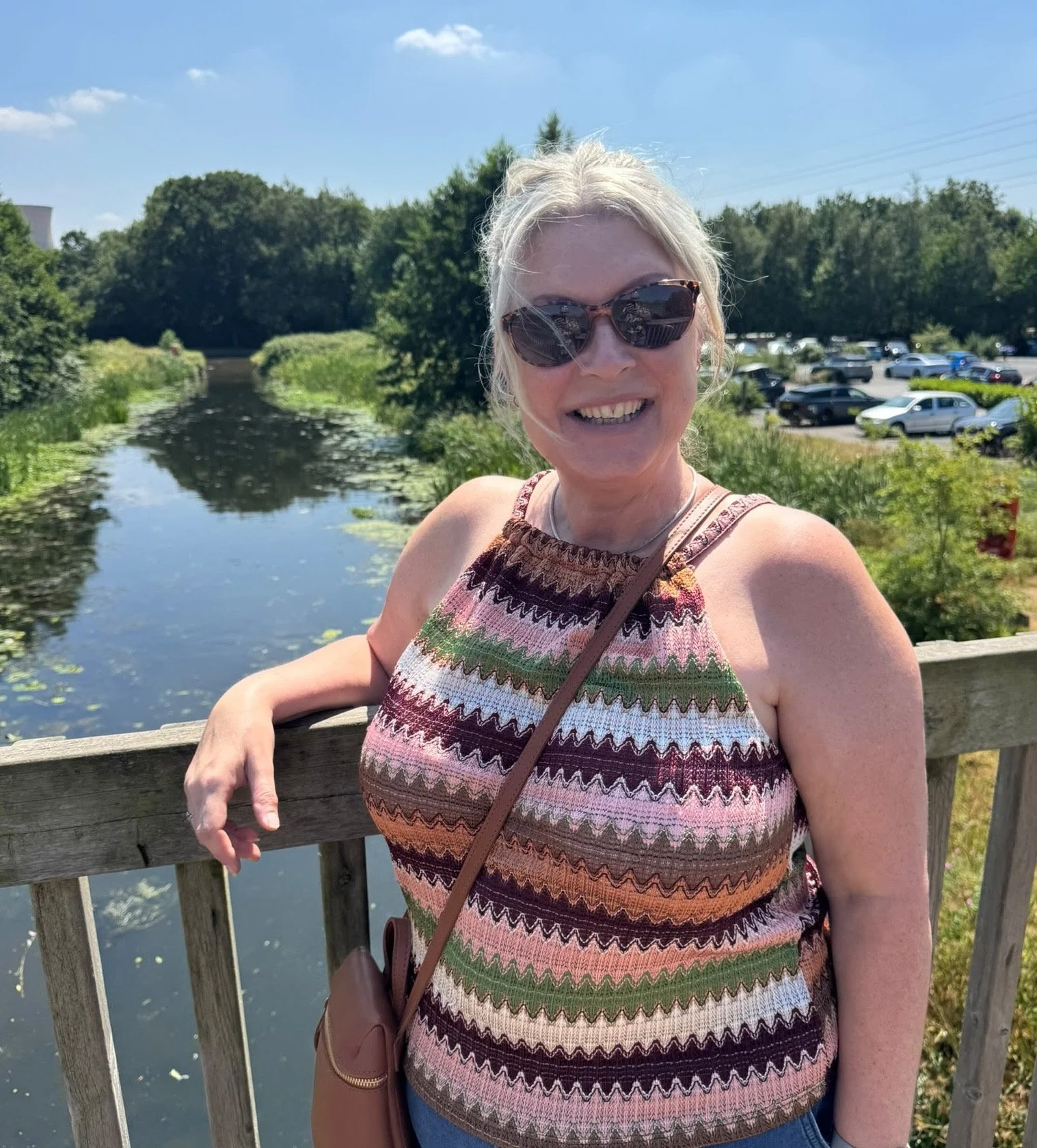
This month, I wanted to share something beautifully simple that can have a positive impact on our mental wellbeing – spending time in green spaces (parks, gardens, woodlands and fields) and blue spaces (rivers, lakes, canals and the sea).
When life feels busy or overwhelming, we often look for complicated solutions. Yet, one of the most effective ways to support our wellbeing is something that has been around us all along – nature.
Why do green and blue spaces make us feel better?
Many people say they feel calmer almost as soon as they step into a woodland, sit beside a river or walk along the beach. This isn't just our imagination.
Researchers believe there are several reasons why these places can help us feel better. Being in nature encourages our breathing to slow, our muscles to relax and our minds to take a break from the constant stream of thoughts, worries and demands of everyday life.
Natural environments also offer a gentle type of attention. Instead of asking us to concentrate, they quietly invite us to notice the world around us – birdsong, the movement of leaves, the ripple of water or the warmth of the sun. This helps our busy minds rest and often leaves us feeling more refreshed.
Does the air really feel different?
Have you ever noticed that the air seems to feel fresher near the sea, a waterfall or in a forest?
Interestingly, scientists are exploring why this might be. Natural environments often have cleaner air, different levels of humidity and a higher concentration of tiny, charged particles called negative ions, particularly around moving water. Researchers are still discovering exactly how these factors affect our wellbeing, but many people report feeling calmer, more energised and mentally clearer after spending time in these places.
Whether it's the fresh air, the sounds of nature, the colours around us or simply giving ourselves permission to slow down, spending time outdoors can help us reconnect with ourselves.
Some of the benefits include:
Reduced stress and anxiety.
Improved mood.
Greater mental clarity and concentration.
Lower heart rate and blood pressure.
Better sleep.
Increased feelings of calm and wellbeing.
A gentle invitation
You don't need to spend hours outdoors or go on a long hike to experience the benefits. Even 10–20 minutes can make a difference.
Perhaps this week you could:
Take a gentle walk through a local park.
Sit beside a river, lake or canal.
Spend time in your garden.
Listen to birds while enjoying your morning drink.
Walk without headphones for a little while and simply notice what you can see, hear, smell and feel.
As you do, you might ask yourself:
"What do I notice around me?"
"What do I notice within me?"
Sometimes the smallest pauses can have the biggest impact.
Take gentle care of yourself, and if you can, give yourself permission to step outside and let nature do a little of the work.
Sam
Therapy Sam